
Wholesale I Beam Secrets: Save Money Without Compromising Quality

When it comes to large-scale construction projects, managing material costs without sacrificing strength and reliability is a major challenge. Steel structures, especially beams, play a critical role in ensuring safety and durability. That’s why many contractors and builders look for Wholesale I beam options to reduce expenses while still maintaining structural integrity. The key is not just buying cheaper materials, but making smarter purchasing decisions that balance cost, quality, and long-term performance.
In this guide, we’ll explore practical strategies, insider tips, and essential factors that help you save money when purchasing I beams in bulk—without compromising on quality.
Understanding What Makes I Beams Essential in Construction
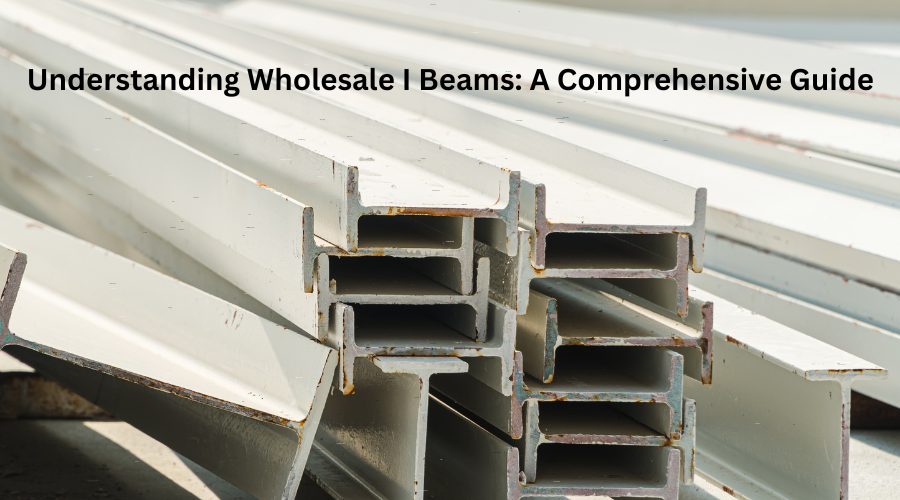
I beams, also known as H beams or universal beams in some regions, are widely used in construction because of their strength and load-bearing capacity. Their “I” shaped cross-section is specifically designed to handle heavy vertical and horizontal loads efficiently.
These beams are commonly used in:
High-rise buildings
Bridges and flyovers
Industrial warehouses
Commercial structures
Support frameworks
Their load distribution capability evenly makes them one of the most reliable structural components in modern engineering.
Why Buying in Wholesale Is a Smart Strategy
Purchasing steel beams in bulk offers several advantages beyond just lower prices. When you buy wholesale, you gain access to:
1. Lower Unit Cost
Bulk purchasing naturally reduces the price per unit, helping contractors manage large project budgets more effectively.
2. Consistent Material Supply
Large projects require consistent materials. Wholesale purchasing ensures you don’t face shortages or delays mid-construction.
3. Better Negotiation Power
Suppliers are often more accommodating with pricing and terms when dealing with bulk orders.
4. Project Efficiency
Having all materials ready in advance reduces downtime and keeps construction timelines on track.
Key Factors That Affect I Beam Pricing
Before you can truly save money, it’s important to understand what influences the cost of steel beams.
1. Raw Material Costs
Steel prices fluctuate driven by global supply and demand, directly affecting beam pricing.
2. Beam Size and Weight
Larger and heavier beams cost more due to increased material usage.
3. Steel Grade
Higher-grade steel offers better strength and durability but comes at a higher cost.
4. Manufacturing Process
Advanced production techniques and quality testing can increase pricing but also improve reliability.
5. Transportation and Logistics
Shipping heavy steel products adds a significant portion to the final cost.
How to Save Money Without Compromising Quality
Saving money on structural steel does not mean choosing the cheapest option available. Instead, it requires a strategic approach.
1. Compare Multiple Suppliers
Never settle for the first quote. Comparing multiple suppliers helps you understand market pricing and identify fair deals.
2. Buy in Bulk at the Right Time
Steel prices fluctuate throughout the year. Purchasing during low-demand periods can significantly reduce costs.
3. Focus on Standard Sizes
Custom sizes are often more expensive. Standard I beam dimensions are usually more affordable and readily available.
4. Evaluate Long-Term Value, Not Just Price
Cheaper beams may lead to higher maintenance or replacement costs later. Always consider durability and lifespan.
5. Work with Established Suppliers
Experienced suppliers often provide better quality control and more competitive pricing due to established supply chains.
How to Identify High-Quality I Beams
Not all steel beams are created equal. Even in wholesale purchases, quality should never be compromised.
Check for Certification
Certified products follow industry standards and are tested for structural safety.
Inspect Material Grade
Ensure the steel grade matches your project requirements for strength and load capacity.
Evaluate Surface Quality
High-quality beams should have a smooth surface without cracks, rust, or deformities.
Request Test Reports
Reliable suppliers provide material testing documentation for transparency.
Common Mistakes Buyers Should Avoid
Many buyers lose money due to avoidable mistakes during procurement.
Focusing Only on Price
The cheapest option is not always the most cost-effective in the long run.
Ignoring Supplier Reputation
Unverified suppliers may compromise on quality or delivery timelines.
Not Calculating Load Requirements Properly
Incorrect specifications can lead to structural risks and costly redesigns.
Overlooking Transportation Costs
Heavy steel logistics can significantly affect total project expenses.
Importance of Choosing the Right Supplier
A dedicated supplier plays a significant role in guaranteeing project success. The right partner provides:
Consistent product quality
Timely delivery
Technical support
Transparent pricing
Reliable inventory availability
Working with a trusted supplier reduces risks and ensures smooth project completion from beginning to end.
Bulk Purchasing Tips for Contractors and Builders
If you regularly manage construction projects, these tips can help you optimize procurement:
Plan Ahead
Early planning helps secure better pricing and availability.
Build Long-Term Supplier Relationships
Long-term partnerships often lead to discounts and priority service.
Consolidate Orders
Combining multiple project requirements into one order can reduce logistics costs.
Stay Updated on Market Trends
Steel prices change frequently, so staying informed helps you time your purchases better.
Sustainability and Modern Steel Production
Today’s construction industry is also shifting toward sustainability. Many manufacturers now use recycled steel and energy-efficient processes to reduce environmental impact.
Choosing sustainable steel options can:
Lower environmental footprint
Improve project compliance with green standards
Enhance brand reputation for eco-conscious projects
Sustainability is increasingly important in modern construction decisions.
FAQs
1. What is the advantage of buying I beams in bulk?
Buying in bulk reduces per-unit cost, ensures material consistency, and improves supply availability for large projects.
2. How do I know if an I beam is high quality?
Check certifications, material grade, surface condition, and request test reports from the supplier.
3. Are cheaper I beams always low quality?
Not necessarily, but extremely low prices can indicate lower-grade materials or poor manufacturing standards.
4. What factors affect I beam pricing the most?
Raw material cost, size, steel grade, manufacturing process, and logistics are the main factors.
5. Can I customize I beams for my project?
Yes, but custom sizes usually cost more than standard beam dimensions.
Conclusion
Saving money on structural steel requires a balance between cost efficiency and quality assurance. While wholesale purchasing offers clear financial benefits, the real savings come from making informed decisions—choosing the right supplier, understanding material specifications, and focusing on long-term durability rather than short-term price reductions. By following strategic buying practices and avoiding common mistakes, contractors and builders can achieve both affordability and structural reliability in their projects. Ultimately, smart procurement is not just about spending less, but about investing wisely in materials that ensure safety, strength, and long-lasting performance.

Comments