
Understanding Wholesale I Beams: A Comprehensive Guide
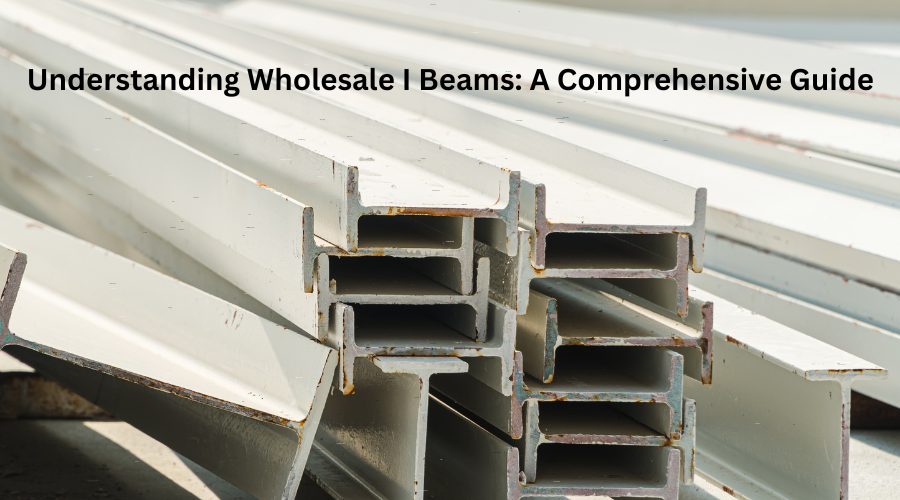
Choosing the right Wholesale I beam for a construction project involves understanding its structural properties, available sizes, material quality, and intended application. I beams are widely used in residential buildings, commercial developments, industrial facilities, and infrastructure projects because their distinctive shape helps support substantial loads while making efficient use of steel. Purchasing these structural components in bulk can also help contractors, builders, and distributors manage costs and maintain a consistent supply of materials. However, before placing an order, it is important to evaluate product specifications, manufacturing standards, supplier reliability, and transportation arrangements. This comprehensive guide explains how I beams work, where they are used, what to consider when buying them, and how to make informed purchasing decisions.
What Is an I Beam?
An I beam is a structural steel section with a cross-sectional shape resembling the letter “I.” It consists of two horizontal elements called flanges, connected by a vertical element known as the web. This configuration allows the beam to resist bending forces efficiently in its intended orientation.
The flanges provide much of the beam's resistance to bending, while the web helps resist shear forces and maintains the connection between the flanges. Together, these components create a structural profile that is widely used in modern engineering and construction.
I beams are available in different dimensions, weights, steel grades, and manufacturing specifications. The appropriate option is affected by elements such as the span between supports, expected loads, structural arrangement, and applicable building codes.
Although the terms I beam and H beam are sometimes used interchangeably in everyday conversation, they can refer to different structural profiles. Their proportions, flange dimensions, and manufacturing standards may vary, so buyers should confirm the exact section designation rather than relying on the name alone.
1. Why Are I Beams Important in Construction?
Structural steel beams play an essential role in distributing loads and maintaining the stability of buildings and other structures. I beams are especially useful because their shape provides a practical balance between strength, weight, and material efficiency.
Here are some of their main advantages.
Efficient load distribution
I beams are commonly used to support floors, roofs, platforms, and other structural elements. When properly designed and installed, they transfer loads to columns, walls, or other supporting components.
Their ability to resist bending makes them suitable for many applications involving horizontal spans.
Efficient use of steel
The I-shaped cross-section concentrates material in areas that contribute significantly to bending resistance. This can provide an efficient structural solution compared with some alternative solid sections, although the best option depends on the forces and conditions involved.
Durability and structural reliability
Steel beams manufactured to appropriate specifications can provide reliable structural performance when correctly designed, protected, installed, and maintained.
Their service life depends on factors such as the steel grade, environmental exposure, connection design, corrosion protection, and maintenance practices.
Versatility across different projects
I beams are used in numerous construction settings, from commercial buildings and warehouses to industrial structures and infrastructure projects.
Their availability in different sizes and specifications allows engineers to select sections that suit particular structural requirements.
2. Common Types of I Beams
Understanding the differences between available beam profiles helps buyers identify the appropriate products for their projects. Although many structural sections share a similar appearance, their dimensions and engineering characteristics can differ considerably.
Standard I beams
Standard I beams generally feature a narrower flange profile than many wide-flange sections. Their dimensions and proportions depend on the applicable national or industry standard.
They may be used in building frames, supporting structures, and other applications where the selected section satisfies the engineering requirements.
When evaluating standard sections, buyers should check the beam designation, overall depth, flange width, web thickness, flange thickness, and weight per unit length.
Wide-flange beams
Wide-flange beams have relatively broad flanges and are frequently used in structural steel framing. In some markets, these sections are commonly called H beams because of their appearance.
Their geometry can provide useful bending resistance in structural applications, but performance depends on the specific section dimensions and loading conditions.
Wide-flange sections are often considered for columns, beams, and building frames, subject to the project's engineering design.
European I sections
European structural steel profiles are designated according to relevant standards and section series. Different series may have different flange proportions and dimensional characteristics.
Buyers should confirm the exact section designation and applicable standard because similarly sized sections may not have identical structural properties.
Welded or fabricated beams
Some projects require beams fabricated by welding separate steel plates together. These sections can be manufactured to specific dimensions when standard rolled profiles do not meet the project's requirements.
However, fabricated beams require appropriate design, welding procedures, quality control, and inspection. Their suitability should be established by qualified structural professionals.
Important: Beam categories are not interchangeable based on appearance alone. Always match the selected section to the engineering drawings and applicable specifications.
3. Common Applications of I Beams
I beams are used across several industries because structural steel can be formed into sections suitable for a wide range of load-bearing applications.
Residential construction
In residential projects, I beams may support floor systems, roof structures, and openings where additional structural support is required.
They can be useful in certain renovations and extensions, particularly when an existing wall or support arrangement needs to be modified. However, replacing or altering a load-bearing wall requires an appropriate structural assessment.
Commercial buildings
Office buildings, retail developments, and other commercial properties often use structural steel beams as part of their framing systems.
Depending on the design, beams may support floors, roofs, mezzanines, and other building components.
Industrial facilities and warehouses
Factories and warehouses may use steel beams in roof framing, elevated platforms, equipment-support structures, and other engineered systems.
The appropriate beam must account for expected loads, equipment movement, vibration, and other relevant operating conditions.
Bridges and infrastructure
Structural steel sections may be incorporated into certain bridges, access structures, and infrastructure projects.
These applications often require detailed engineering analysis, material traceability, inspection, and compliance with project-specific standards.
Agricultural and storage structures
Steel beams can also be used in barns, storage facilities, workshops, and other agricultural buildings when the design calls for structural steel framing.
Across all these applications, the correct beam size and specification must be determined by engineering requirements rather than appearance or price alone.
4. Understanding I Beam Sizes and Specifications
Beam dimensions directly influence structural performance, so buyers should understand the information provided in product catalogs and quotations.
Beam depth
Beam depth refers to the overall vertical dimension of the section. It is an important factor in bending stiffness and deflection, although depth alone does not determine a beam's capacity.
Flange width
The flange width measures the horizontal dimension of each flange. It affects the section's geometry and its structural properties.
Web thickness
The web connects the two flanges. Its thickness is one of the dimensions used to evaluate shear resistance and other structural characteristics.
Flange thickness
Flange thickness contributes to the section's overall properties and influences how the beam behaves under different loading conditions.
Weight per unit length
Structural steel beams are commonly identified by their mass per metre or another specified unit of length.
This figure helps buyers estimate material quantities, transportation requirements, and approximate purchasing costs.
Steel grade
The steel grade identifies specified mechanical and material properties under the relevant standard. Buyers should verify that the grade matches the project requirements.
A quotation should identify the beam's section designation, dimensions, steel grade, applicable standard, quantity, and length. This helps prevent misunderstandings when comparing products from different manufacturers.
5. How to Choose the Right I Beam for Your Project
Selecting a suitable beam involves more than finding a product with the desired dimensions. Structural requirements, site conditions, and project specifications all influence the final choice.
Identify the structural requirements
Begin with the engineering drawings and project specifications. These should establish the required beam section, material grade, dimensions, length, and any special requirements.
If the project does not yet have a completed structural design, consult a qualified structural engineer before purchasing load-bearing components.
Consider the span and loading conditions
The distance between supports and the loads acting on the beam are essential design considerations.
Depending on the application, loads may include the weight of the structure itself, occupants, stored materials, equipment, wind, and other forces.
The engineer must also assess deflection, stability, connection details, and other relevant design requirements.
Confirm the required steel grade
Not all steel grades have identical properties. Verify that the proposed material meets the specified requirements and that appropriate documentation is available.
Check dimensional tolerances
Manufactured steel sections are produced within specified dimensional tolerances. Confirm that the supplied product meets the standard and project requirements.
Evaluate environmental conditions
Structures exposed to moisture, chemicals, coastal air, or outdoor conditions may require suitable corrosion protection.
Consider the environment in which the beam will operate and follow the protective coating or maintenance requirements established for the project.
Verify compliance before ordering
The selected beam should meet the applicable building codes, structural design requirements, and project specifications.
A beam that appears large enough may still be unsuitable if its material properties, stability, connections, or load capacity do not meet the design requirements.
6. Benefits of Buying Steel Beams in Bulk
Purchasing structural steel in larger quantities can offer practical advantages for contractors, fabricators, builders, and distributors.
Potential cost savings
Bulk orders may provide access to more competitive unit prices, depending on order volume, market conditions, supplier terms, and delivery requirements.
However, buyers should compare the complete cost rather than focusing exclusively on the price per beam.
More consistent material supply
Coordinating purchases for a project can help reduce the risk of material shortages and interruptions during construction.
This is particularly useful when several structural components must arrive according to a coordinated construction schedule.
Simplified procurement
Ordering multiple beams through one approved supplier can reduce administrative work, simplify documentation, and make inventory planning easier.
Better quantity planning
Bulk procurement allows purchasing teams to coordinate beam lengths, quantities, and delivery schedules with project requirements.
Accurate planning also helps reduce unnecessary leftover materials and additional handling costs.
Important considerations
Large orders require adequate storage space, safe handling arrangements, and appropriate transportation planning.
Buyers should also confirm that all supplied beams match the approved specifications. A lower unit price is not beneficial if the material arrives with the wrong dimensions, grade, or documentation.
7. What to Look for in a Reliable Steel Beam Supplier
Supplier selection is an important part of structural steel procurement. A dependable business should provide accurate product information, transparent commercial terms, and documentation that supports material verification.
Before placing an order, consider the following factors.
Product availability
Confirm that the supplier can provide the required section sizes, grades, and lengths within the project's timeframe.
If a substitution is proposed, obtain approval from the relevant design professional before accepting it.
Quality documentation
Ask for relevant mill test certificates, material identification records, and inspection documents where required.
These records can help verify the supplied material's properties and traceability.
Transparent pricing
Request a written quotation that identifies the section designation, quantity, length, steel grade, applicable taxes, delivery costs, and payment terms.
Compare equivalent products under similar purchasing conditions.
Delivery capabilities
Structural steel can be heavy and difficult to transport. Confirm that the supplier can coordinate appropriate loading, transportation, unloading, and delivery scheduling.
Communication and after-sales support
A reliable supplier should respond clearly to questions about product specifications, documentation, order changes, and delivery issues.
Written communication helps reduce confusion and provides a record of agreed terms.
Reputation and business history
Review the supplier's business credentials, customer feedback, and track record where reliable information is available.
Do not rely solely on promotional claims. Verify important information independently when possible.
8. Quality Checks Before Accepting a Delivery
Inspecting incoming materials helps identify discrepancies before the beams are installed or transferred into long-term storage.
When a delivery arrives, compare the supplied products with the purchase order and approved specifications.
Check the following:
Section dimensions: Confirm that the designation and dimensions match the order.
Material identification: Verify available grade markings and traceability details.
Documentation: Review the relevant certificates and delivery records.
Visible condition: Look for significant bending, cracks, damage, or other defects.
Corrosion and coatings: Check whether the condition is appropriate for the specified product and protective treatment.
Quantity and length: Confirm that the delivered quantity and lengths match the order.
Handling damage: Document any damage that may have occurred during loading or transportation.
If a discrepancy is discovered, record it and contact the supplier before accepting the affected material for use.
Visible inspection cannot establish every mechanical property of structural steel. Where necessary, additional testing or technical verification should be carried out by qualified personnel.
Proper storage is equally important. Beams should be stored on suitable supports in a manner that reduces the risk of instability, damage, and unwanted exposure to moisture.
9. Common Mistakes to Avoid When Purchasing I Beams
A few avoidable purchasing mistakes can create unnecessary costs or construction delays.
Choosing beams based only on price
The lowest quotation may exclude important documentation, transportation, or quality requirements. Compare the complete offer before making a decision.
Confusing different beam profiles
I beams and H beams may look similar, but their dimensions and structural properties can differ. Confirm the exact designation rather than relying on general terminology.
Ignoring steel grades
A section with the correct dimensions may still fail to meet the project's material requirements if its grade is unsuitable.
Ordering incorrect lengths
Incorrect measurements can lead to unnecessary cutting, waste, additional fabrication, or delays. Confirm the required lengths before placing an order.
Overlooking transportation costs
Large steel sections may require specialized handling and suitable transport arrangements. Include these expenses in the purchasing budget.
Failing to verify documentation
Missing or inconsistent material records can create problems during inspection and project handover. Establish documentation requirements before the order is dispatched.
Avoiding these mistakes can make procurement more efficient and help maintain consistency throughout a construction project.
FAQs
1. What is the primary purpose of an I beam?
An I beam is a structural section commonly used to support loads in buildings, industrial facilities, and other engineered structures. Its shape provides efficient resistance to bending in its intended orientation.
2. What is the difference between an I beam and an H beam?
I beams generally have a narrower flange profile than many H-shaped or wide-flange sections. However, exact differences depend on the applicable product standard and section series. Buyers should confirm the specific dimensions and designation.
3. How do I determine the right I beam size?
The appropriate size depends on the span, loads, support conditions, material grade, deflection limits, and other engineering requirements. A qualified structural engineer should determine the section needed for a load-bearing application.
4. Is buying steel beams in bulk more economical?
Bulk purchasing can reduce unit costs and simplify procurement, but the actual savings depend on order volume, supplier pricing, transportation, storage, and market conditions.
5. What documents should accompany structural steel beams?
Depending on the project, relevant documents may include material test certificates, product identification records, inspection documents, delivery notes, and compliance documentation required by the applicable standards.
6. Can I use an I beam outdoors?
Yes, I beams can be used in outdoor structures when the design accounts for environmental exposure and appropriate corrosion protection. The protective system should be selected according to the conditions and project requirements.
7. Are all steel I beams suitable for heavy construction?
No. Suitability depends on the section's dimensions, steel grade, structural properties, loading conditions, and engineering design. A beam should never be selected for heavy construction based solely on its appearance.
Conclusion
Understanding I beams helps contractors, builders, engineers, and purchasing teams make more informed decisions when sourcing structural steel. From comparing section profiles and understanding dimensions to verifying steel grades, reviewing supplier documentation, and planning bulk deliveries, every stage of procurement contributes to project efficiency and structural reliability. Buying in larger quantities may offer cost and scheduling advantages, but these benefits should never come at the expense of material quality or engineering compliance. By selecting the correct beam specifications, working with reputable suppliers, inspecting deliveries, and following applicable structural standards, buyers can reduce procurement risks and support successful construction projects. Ultimately, the right I beam is the one that meets the project's engineering requirements, quality standards, and budget without compromising safety.


Comments