
I Joists Explained: Benefits, Applications, Manufacturing, and Buying Tips

Modern construction requires materials that provide strength, durability, efficiency, and cost-effectiveness. Engineered wood products have become increasingly popular because they offer reliable performance while reducing material waste. Among these solutions, I joists have become a preferred choice for builders, contractors, architects, and developers working on residential and commercial projects. Choosing the right I Joist supplier is an important step because product quality, manufacturing standards, and technical support can directly influence the success of a construction project. This complete guide explains what I joists are, their benefits, applications, manufacturing process, and important buying tips to help you make informed decisions.
What Is an I Joist?
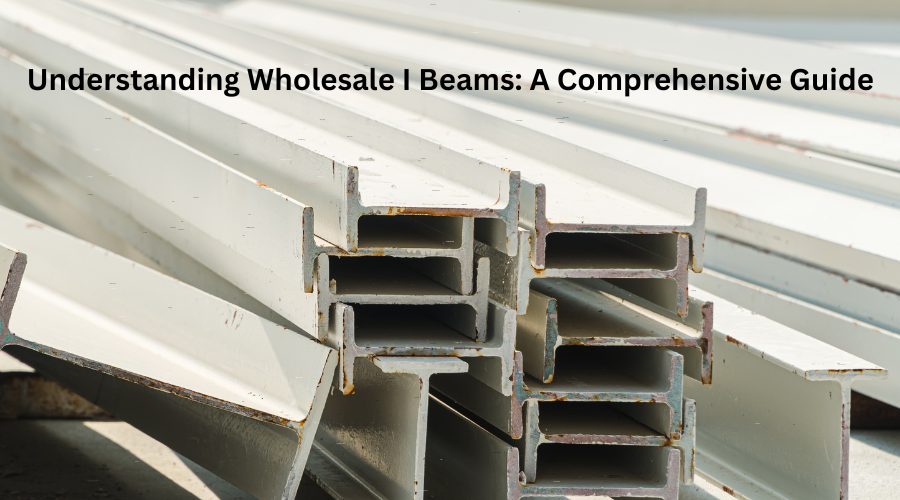
An I joist is an engineered wood structural component designed to support floors, roofs, and ceilings in modern buildings. It gets its name from its shape, which resembles the capital letter “I.” This unique design consists of three main parts:
Top flange: The upper horizontal section that provides strength and stability.
Bottom flange: The lower section that helps carry structural loads.
Web: The vertical section connecting both flanges and providing resistance against bending.
Unlike traditional solid timber joists, I joists are manufactured using engineered wood materials that are carefully designed for consistent strength and performance.
The shape allows I joists to handle heavy loads while using less material compared to conventional lumber. This makes them an efficient and sustainable option for many construction applications.
Why Are I Joists Popular in Modern Construction?
The construction industry continues to move toward engineered materials because they provide advantages that natural wood products cannot always guarantee. I joists have gained popularity because they offer:
High strength-to-weight ratio
Excellent dimensional stability
Longer span capabilities
Reduced material waste
Consistent quality
Easy installation
Improved construction efficiency
These benefits make I joists suitable for projects where structural reliability and performance are essential.
Key Benefits of Using I Joists
1. Superior Structural Strength
One of the biggest advantages of I joists is their impressive load-bearing capacity. Their engineered design allows them to support significant weight while maintaining structural stability.
The vertical web efficiently transfers loads between the top and bottom flanges, reducing the risk of bending or deformation.
2. Longer Spans With Fewer Supports
I joists can often cover longer distances than traditional wood joists.
This creates several benefits:
Larger open spaces
Fewer support walls
More flexible building designs
Improved interior layouts
For architects and builders, this flexibility can simplify construction planning.
3. Better Dimensional Stability
Traditional lumber can naturally shrink, twist, or warp due to changes in moisture and temperature.
Engineered I joists are manufactured under controlled conditions, resulting in more consistent dimensions and improved stability.
This helps reduce:
Uneven floors
Structural movement
Installation issues
Future maintenance problems
4. Lightweight and Easy to Install
Despite their strength, I joists are relatively lightweight compared to many other structural materials.
This makes transportation and installation easier, helping construction teams save time and labor costs.
Workers can often handle I joists with fewer people, improving overall job-site efficiency.
5. Efficient Use of Wood Resources
I joists are designed to maximize material efficiency.
Instead of relying on large pieces of solid timber, manufacturers use engineered wood components to create strong structural products with less waste.
This makes I joists an attractive option for builders interested in sustainable construction practices.
Common Applications of I Joists
I joists are versatile and can be used in various construction projects.
Floor Systems
One of the most common uses of I joists is residential and commercial flooring.
They provide:
Strong support for floor loads
Reduced floor vibration
Better spacing flexibility
Improved design options
Many modern homes use I joists as a replacement for traditional floor framing systems.
Roof Structures
I joists are also used in roof construction where strength and stability are required.
They can support roofing materials while allowing longer spans and efficient structural designs.
Ceiling Construction
In multi-level buildings, I joists provide reliable support for ceilings while helping create smooth and stable surfaces.
Commercial Buildings
Commercial construction projects often require materials that combine strength with installation efficiency.
I joists are commonly used in:
Office buildings
Retail spaces
Apartment developments
Educational facilities
Residential Housing Projects
From single-family homes to large housing developments, I joists provide builders with a dependable framing solution.
Their predictable performance makes them especially useful for projects requiring consistent quality across multiple structures.
How Are I Joists Manufactured?
Understanding the manufacturing process helps buyers recognize the importance of product quality.
1. Selecting Raw Materials
The process begins with selecting suitable engineered wood materials.
Manufacturers typically use products such as:
Laminated veneer lumber (LVL)
Oriented strand board (OSB)
Other structural wood components
The quality of these materials influences the strength and durability of the finished I joist.
2. Producing the Flanges
The top and bottom flanges are manufactured using strong engineered wood products designed to handle significant loads.
These components provide the main bending resistance of the joist.
3. Preparing the Web
The web is usually made from wood panels engineered for strength and stability.
Its primary purpose is to connect the flanges and transfer structural forces efficiently.
4. Assembly Process
The flanges and web are carefully joined using strong adhesives and precise manufacturing methods.
Accurate alignment is essential because even small errors can affect structural performance.
5. Quality Testing
Before products reach customers, manufacturers conduct inspections to ensure they meet required standards.
Testing may include:
Strength evaluation
Dimensional checks
Adhesive performance testing
Moisture control inspections
Strict quality control ensures that I joists perform reliably in real construction conditions.
Factors to Consider When Buying I Joists
Choosing the right product requires careful evaluation.
Product Quality
Always check whether the manufacturer follows recognized quality standards.
High-quality I joists provide better strength, reliability, and long-term performance.
Load Requirements
Different construction projects require different load capacities.
Consider:
Building design
Floor loads
Span distance
Structural requirements
Selecting the correct specification prevents performance issues.
Size and Dimensions
I joists are available in different heights and lengths.
Choosing the appropriate size depends on:
Project requirements
Installation conditions
Structural calculations
Manufacturing Experience
Experienced manufacturers usually have better production systems and quality management processes.
A company with a strong industry background is more likely to provide consistent products.
Delivery Capability
For large construction projects, reliable delivery is essential.
Consider production capacity, shipping options, and lead times before placing an order.
Common Mistakes to Avoid When Purchasing I Joists
Many buyers focus only on price, but several other factors are equally important.
Choosing the Cheapest Option
Lower prices may sometimes indicate compromises in material quality or manufacturing standards.
A balance between cost and quality is essential.
Ignoring Technical Specifications
Every construction project has different requirements.
Always confirm that the selected I joists match the necessary structural specifications.
Skipping Product Inspection
Before purchasing large quantities, reviewing product samples or documentation can help prevent problems later.
Failing to Understand Installation Requirements
Proper installation is critical for achieving the expected performance of I joists.
Builders should follow manufacturer recommendations carefully.
I Joists vs Traditional Timber Joists
Many builders compare I joists with conventional lumber.
I Joists Advantages:
More consistent dimensions
Higher strength efficiency
Longer span capability
Less warping and twisting
Reduced material waste
Traditional Timber Advantages:
Familiar installation methods
Easy availability in some markets
Simple cutting and handling
While traditional lumber still has applications, many modern construction projects prefer engineered I joists because of their predictable performance.
Future Trends in the I Joist Industry
The rising interest in engineered wood products continues to increase as construction companies search for efficient and sustainable materials.
Future trends include:
More sustainable manufacturing methods
Advanced automation technologies
Improved adhesive systems
Higher-performance engineered wood products
Greater adoption in green building projects
As construction standards continue to evolve, I joists are expected to remain an important part of modern structural design.
FAQs
Are I joists stronger than traditional wood joists?
Yes, I joists are designed to provide excellent strength and stability compared to many traditional wood joists. Their engineered structure allows them to handle loads efficiently while reducing common problems such as warping and twisting.
Where are I joists commonly used?
I joists are commonly used in floor systems, roof structures, ceilings, residential buildings, and commercial construction projects.
Are I joists environmentally friendly?
Yes. I joists use engineered wood technology that helps maximize timber resources and reduce material waste, making them a popular choice for sustainable construction.
How long do I joists last?
When properly manufactured, installed, and protected from excessive moisture, I joists can provide long-lasting structural performance.
What should I check before buying I joists?
Buyers should consider product quality, manufacturer experience, structural requirements, certifications, dimensions, and delivery capability before making a purchase.
Conclusion
I joists have become a valuable solution for modern construction because they combine strength, efficiency, stability, and sustainability in one engineered wood product. Their unique design allows builders to create durable structures while reducing material waste and improving installation efficiency. Understanding how I joists are manufactured, where they are used, and what factors to consider when purchasing them helps contractors, builders, and developers make better decisions. By selecting high-quality products from reliable manufacturers and ensuring proper installation, I joists can provide dependable performance for residential and commercial projects for many years.

Comments