.png)
How to Choose the Right Wholesale I Beam Supplier
- uniquematerials
- Mar 11
- 5 min read
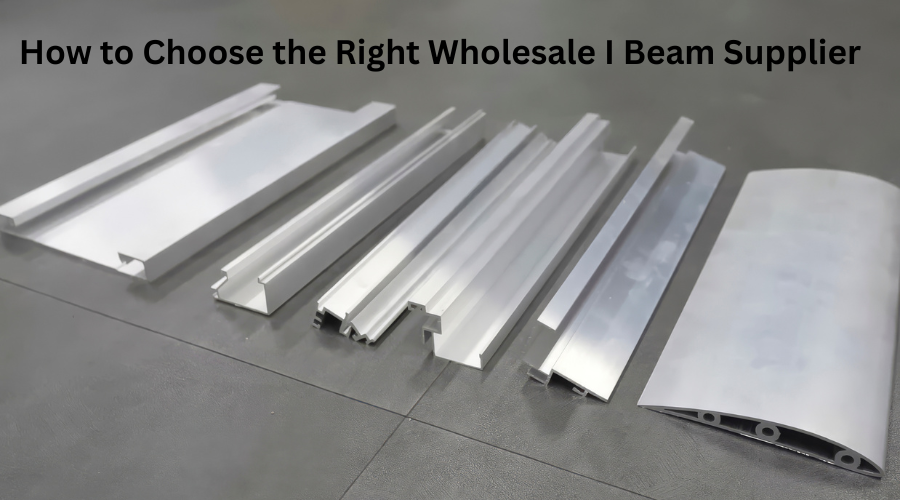
When working on construction, industrial, or infrastructure projects, selecting the right steel supplier is one of the most important decisions you will make. A reliable Wholesale I beam supplier ensures you get high-quality materials, competitive pricing, and dependable delivery schedules. Since I-beams are critical building elements used in bridges, warehouses, and heavy-duty frameworks, choosing the wrong supplier can lead to project delays, budget overruns, or even safety concerns.
In this guide, we will walk through everything you need to know about selecting the best I-beam supplier, including quality standards, pricing factors, certifications, and supplier reliability. By the end of this article, you’ll be able to confidently choose a supplier that supports your project’s success.
Understanding I Beams and Their Importance
Before choosing a supplier, it helps to understand why I-beams are such an essential construction material.
I-beams, also called structural steel beams, have a distinctive shape that resembles the letter “I”. This design provides exceptional strength and weight distribution, making them suitably designed to handle substantial weight in construction projects. They are widely used in:
Commercial buildings
Residential construction
Bridges and highways
Industrial structures
Warehouses and factories
Because these beams carry a significant structural load, the quality of the steel and manufacturing process is critical. This is why selecting a trustworthy supplier is just as important as choosing the right beam size.
1. Check the Supplier’s Product Quality
Quality should always be your first priority when evaluating a steel supplier.
A reputable supplier should provide beams that meet recognized industry standards. High-quality I-beams offer:
Consistent thickness and dimensions
High tensile strength
Resistance to bending and deformation
Durability under heavy loads
Always ask the supplier about their manufacturing standards and testing processes. Many reliable suppliers conduct mechanical and chemical testing to ensure their beams meet structural requirements.
Pro Tip
Ask for material test reports (MTRs) or quality certifications before placing a large order. These documents confirm the steel grade and mechanical properties of the beams.
2. Evaluate Industry Certifications
Certifications indicate that a supplier follows recognized manufacturing and quality control standards.
Some suppliers comply with international or national steel standards, which ensures consistent product performance. Certifications also show that the company maintains strict production and inspection processes.
When reviewing suppliers, ask whether they follow:
International steel standards
Quality management systems
Structural engineering specifications
Certified suppliers are more likely to deliver consistent and reliable materials.

3. Consider the Supplier’s Experience
Experience matters in the steel industry.
Suppliers who have been in business for several years often have stronger supply chains, better industry connections, and more expertise in handling large orders.
An experienced supplier can also help you:
Choose the right beam size for your project
Estimate material quantities
Recommend cost-effective alternatives
Before finalizing a supplier, check their company background, years in operation, and previous projects.
4. Compare Pricing and Cost Transparency
Price is always an important factor in construction projects, but the cheapest option is not always the best.
Reliable suppliers offer competitive pricing with transparent cost breakdowns.
When comparing quotes, consider the following:
Cost per ton or per beam
Transportation fees
Taxes and import duties
Bulk order discounts
A trustworthy supplier will clearly explain all charges so there are no surprises later.
Avoid Hidden Costs
Some suppliers offer low prices initially but add hidden costs for delivery, cutting, or packaging. Always request a detailed quotation before confirming your order.
5. Check Inventory and Supply Capacity
Large construction projects often require consistent material supply over time.
A good supplier should have sufficient inventory or strong manufacturing capacity to meet your project’s demands. If the supplier frequently runs out of stock, it could delay your construction schedule.
When evaluating suppliers, ask questions like:
How much steel inventory do they maintain?
Can they handle large or urgent orders?
What is their typical delivery timeline?
Reliable suppliers plan their production schedules carefully to avoid delays.
6. Evaluate Delivery and Logistics
Timely delivery is crucial for construction projects. Even a small delay in steel delivery can slow down the entire building process.
A reliable supplier should offer:
Clear shipping timelines
Safe packaging and handling
Reliable transportation partners
Delivery tracking options
If your project is located far from the supplier, ask whether they have experience handling long-distance or international shipments.
7. Review Customer Feedback and Reputation
One of the easiest ways to judge a supplier’s reliability is by checking customer
reviews.
Look for feedback from:
Construction companies
Contractors
Engineers
Project managers
Positive reviews often indicate consistent product quality and good customer service.
You may also request testimonials from former clients.. A reputable supplier will usually be happy to share testimonials or project case studies.
8. Assess Customer Support and Communication
Clear communication can make a huge difference during a construction project.
A professional supplier should provide responsive and knowledgeable customer support. Their team should be able to answer questions about:
Beam specifications
Order tracking
Delivery schedules
Technical requirements
Suppliers that respond quickly and provide helpful information are usually easier to work with during long-term projects.
9. Look for Customization Options
Every construction project has unique requirements.
Some suppliers offer additional services such as:
Custom beam cutting
Surface treatment
Galvanization
Fabrication support
These services can save time and reduce additional processing costs at your construction site.
10. Consider Long-Term Partnership Potential
Instead of choosing a supplier for a single order, think about building a long-term relationship.
Reliable suppliers often provide benefits to repeat customers, including:
Bulk discounts
Priority production scheduling
Flexible payment terms
Dedicated account managers
Working with the same supplier over time also ensures consistent material quality across multiple projects.
Common Mistakes to Avoid When Choosing an I Beam Supplier
Many contractors make avoidable mistakes when selecting steel suppliers. Here are a few to watch out for:
Choosing Only Based on Price
Low prices can sometimes indicate lower-quality materials.
Ignoring Quality Certifications
Always verify that the supplier meets recognized standards.
Not Checking Delivery Capacity
A supplier who cannot meet your timeline may delay your entire project.
Skipping Supplier Background Research
Always check the company’s experience and reputation before signing a contract.
Avoiding these mistakes will help ensure smoother project execution.
Benefits of Working With a Reliable I Beam Supplier
Choosing the right supplier provides several advantages:
Consistent material quality
Reduced project delays
Better structural safety
Cost-effective purchasing
Professional technical support
A dependable supplier becomes a valuable partner in your construction process.
FAQs
1. What points to keep in mind when selecting an I beam supplier?
Key factors include product quality, certifications, supplier experience, pricing transparency, delivery reliability, and customer service.
2. Why are I beams commonly used in construction?
I-beams are widely used because their shape provides excellent load-bearing strength while using less material compared to solid steel structures.
3. How can I inspect the quality of steel beams?
You can request material test reports, quality certifications, and inspection records from the supplier to verify steel quality.
4. Is it better to work with a local or international supplier?
Both options have advantages. Local suppliers may offer faster delivery, while international suppliers sometimes provide lower costs or larger production capacity.
5. Can suppliers customize I beams for specific projects?
Yes, many suppliers offer customization services such as cutting, coating, or fabrication to match specific project requirements.
Conclusion
Choosing the right I-beam supplier is a critical step in making sure the success of any construction project. High-quality steel beams provide the structural strength needed for buildings, bridges, and industrial frameworks, while a reliable supplier ensures timely delivery and consistent material standards.
When evaluating potential suppliers, focus on quality certifications, experience, pricing transparency, delivery capabilities, and customer reputation. Taking the time to research and compare suppliers can save you considerable time, funds, and pressure during your project.
Ultimately, the best supplier is not just the one offering the lowest price but the one that delivers reliable materials, professional support, and long-term partnership value. By following the tips in this guide, you can confidently choose a supplier that meets your construction needs and helps your project run smoothly from start to finish.


Comments